At the Intersection of Race and Gender
Hair discrimination does not operate in isolation from other forms of identity-based bias. It intersects with gender in ways that produce distinct experiences, different pressures, and compounding disadvantages. Understanding this intersection is essential for developing effective measurement instruments, inclusive legislation, and therapeutic interventions.
The Dove CROWN Coalition’s research consistently reveals gendered patterns. The 2023 workplace study found that Black women’s hair is 2.5 times more likely to be perceived as unprofessional — a finding that reflects the combined weight of racial and gender expectations on women’s appearance in professional settings. But hair discrimination also affects men and individuals across the gender spectrum, albeit through different mechanisms and with different consequences.
Women: The Primary Burden
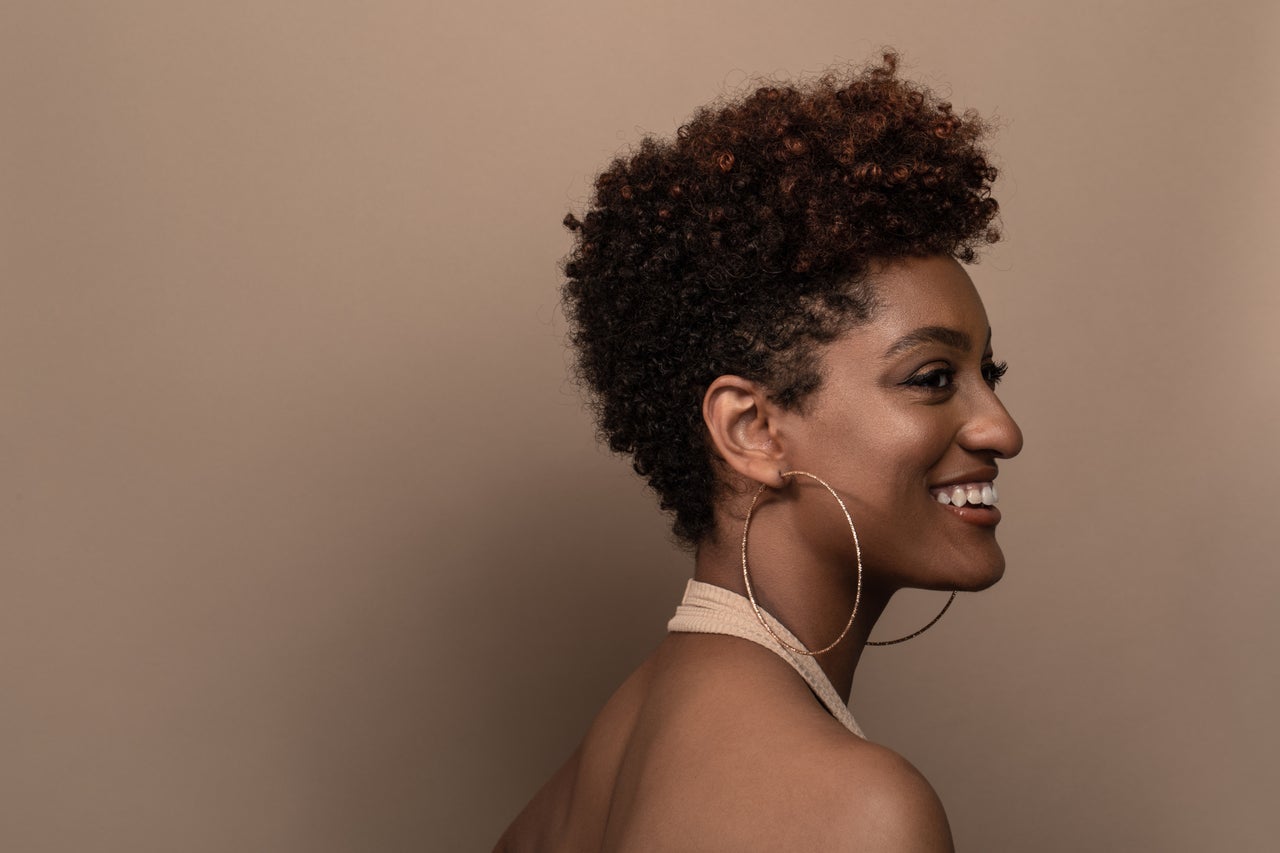
Women bear the heaviest burden of hair discrimination, for reasons rooted in both racial hierarchy and gendered expectations about appearance.
Heightened appearance scrutiny. Research consistently demonstrates that women’s appearance is scrutinised more intensively than men’s in professional, educational, and social settings. This general pattern amplifies the impact of hair-specific bias: when appearance matters more, deviations from the dominant norm carry higher penalties.
The professional double bind. Women with textured hair face a specific double bind in professional environments. They must simultaneously meet gendered expectations of femininity (which are defined by Eurocentric beauty standards prioritising smooth, flowing hair) and professional expectations of competence (which are coded in the same standards). Natural Afro-textured hair is perceived as violating both sets of expectations, creating a penalty that neither white women nor men of colour experience to the same degree.
Conformity pressure and health consequences. The pressure on women to alter their natural hair to meet professional and social standards produces both economic costs — the “conformity tax” documented in economic research — and health consequences. The NIH’s 2022 study linking chemical straighteners to elevated uterine cancer risk represents a specifically gendered health impact, as chemical straightening is predominantly used by women.
Maternal transmission. Research on hair discrimination and children reveals a gendered dimension in how discrimination is transmitted across generations. Mothers — who are themselves navigating hair discrimination — make decisions about their daughters’ hair that reflect internalised norms. A 2023 survey found that 53% of Black mothers reported that their child experienced hair-based discrimination by age five, and many reported managing their daughters’ hair specifically to minimise discrimination exposure.
Intersectional Analysis
The concept of intersectionality, developed by legal scholar Kimberlé Crenshaw, is directly applicable to hair discrimination. Black women do not experience hair discrimination as simply “racial discrimination plus gender discrimination.” They experience a distinct, compound form of bias that is qualitatively different from what either Black men or white women face.
This intersectionality has legal implications. In cases where hair discrimination is challenged under existing anti-discrimination law, claimants often must choose whether to frame their experience as racial discrimination or sex discrimination — a forced choice that fails to capture the intersectional reality. The CROWN Act and Serva bill partially address this by creating a distinct legal category for hair-based discrimination, though the gendered dimension deserves more explicit attention.
CROWN’s CROWN Discrimination Index is designed with intersectional analysis at its core. The CDI survey instrument captures gender identity alongside hair discrimination experiences, enabling disaggregated analysis that reveals how gender modulates the experience and impact of hair-based bias.
Men: An Overlooked Dimension
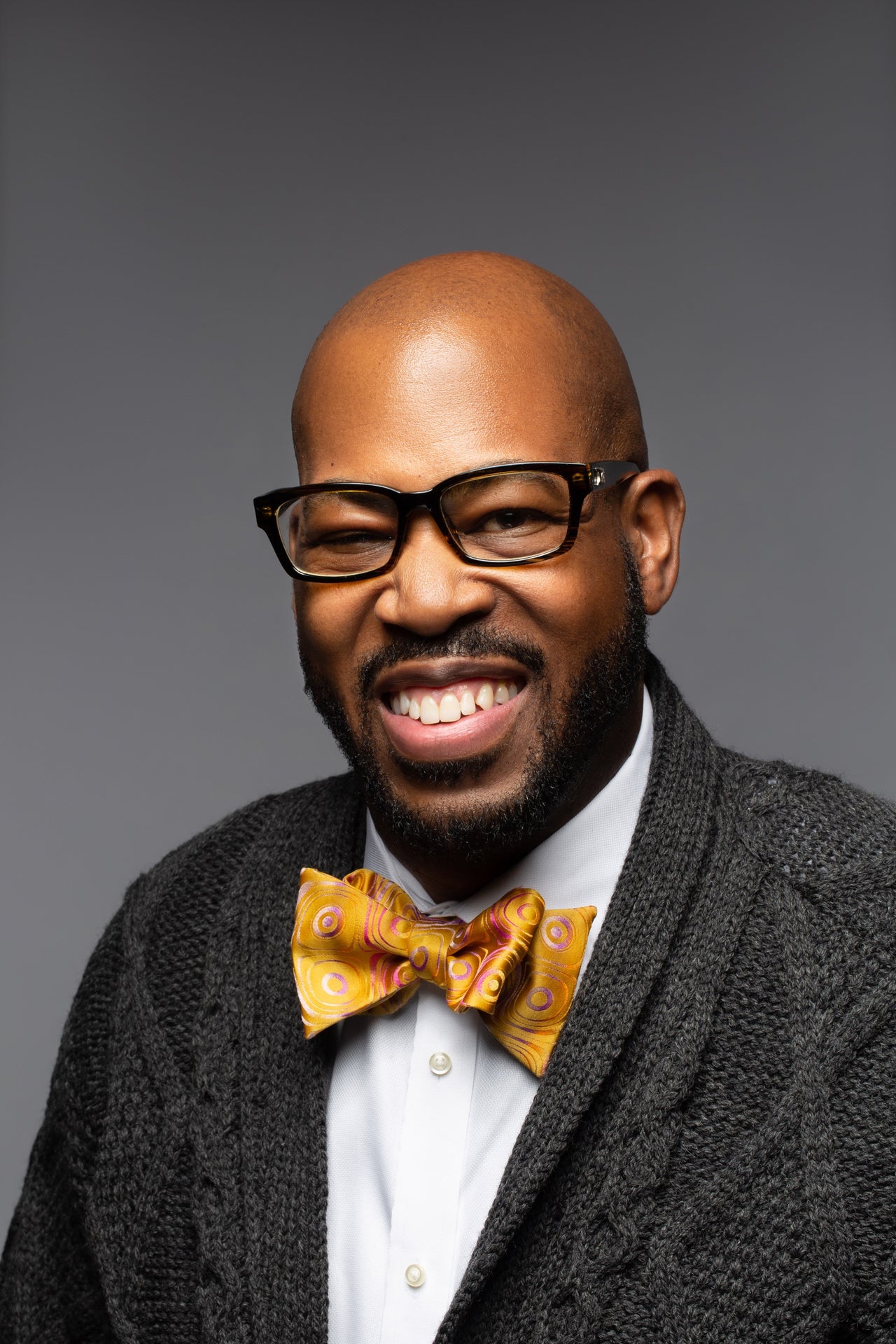
While women bear the primary burden, hair discrimination against men is a significant and often overlooked dimension. Men with locs, braids, Afros, and other natural styles face discrimination in workplaces, schools, and the criminal justice system. The military, law enforcement, and corporate environments have historically imposed strict grooming standards that disproportionately affect men of colour.
The gendered dimension of men’s experience differs from women’s. Men’s hair is more often framed in terms of “discipline” and “order” rather than “beauty” and “professionalism.” This coding associates natural hair with perceived lack of discipline or conformity — a perception that intersects with racialised stereotypes about Black men in particularly damaging ways.
Beyond the Binary
Hair discrimination also affects non-binary and gender non-conforming individuals, who may face compound bias when their hair presentation does not align with expectations for their perceived gender. This dimension is under-researched, and CROWN’s research programme seeks to include diverse gender identities in data collection to build a more complete evidence base.
The Beauty Standard as Gendered Racial Hierarchy
At its foundation, hair discrimination reflects a beauty standard that is simultaneously racialised and gendered. The ideal of straight, flowing hair as the marker of femininity and professionalism is a Eurocentric construction that centres white women’s typical hair texture as the universal standard. Deviations from this standard are penalised — and the penalty increases as the deviation increases.
This standard affects women across racial and ethnic groups. Women with naturally curly or wavy hair (of any racial background) report pressure to straighten their hair. Women with thin or fine hair report pressure to add volume. But the penalty is most severe for women with Afro-textured hair, whose natural texture represents the greatest deviation from the Eurocentric norm.
Understanding hair discrimination as a gendered racial hierarchy — rather than a simple matter of personal preference or aesthetic choice — is essential for developing interventions that address root causes rather than symptoms. CROWN’s 360° Protocol includes specific components addressing internalised beauty standards and the psychology of conformity, recognising that therapeutic intervention must engage with both the external structures and the internal beliefs that sustain discrimination.
Toward Gender-Inclusive Anti-Discrimination
Effective responses to hair discrimination must account for its gendered dimensions:
Legislation should protect all genders explicitly, covering hairstyles associated with any gender identity or expression. The Serva bill’s approach of protecting all hair types — not only those associated with one racial group — provides a model for gender-inclusive protection as well.
Research must disaggregate data by gender to capture the distinct patterns and impacts that gender creates. CROWN’s CDI methodology incorporates gender as a key analytical variable.
Therapeutic intervention must address gender-specific dimensions of aesthetic trauma, including the particular burden that gendered beauty standards place on women’s relationship with their hair and bodies.
Corporate programmes should review grooming policies for gendered assumptions as well as racial bias, recognising that the two are often intertwined. CROWN’s corporate wellbeing programme addresses both dimensions.
Hair discrimination is a phenomenon that cannot be fully understood or effectively addressed without attention to gender. It is at the intersection of racial and gendered expectations that the greatest burdens fall — and it is at that intersection that research, policy, and practice must converge.