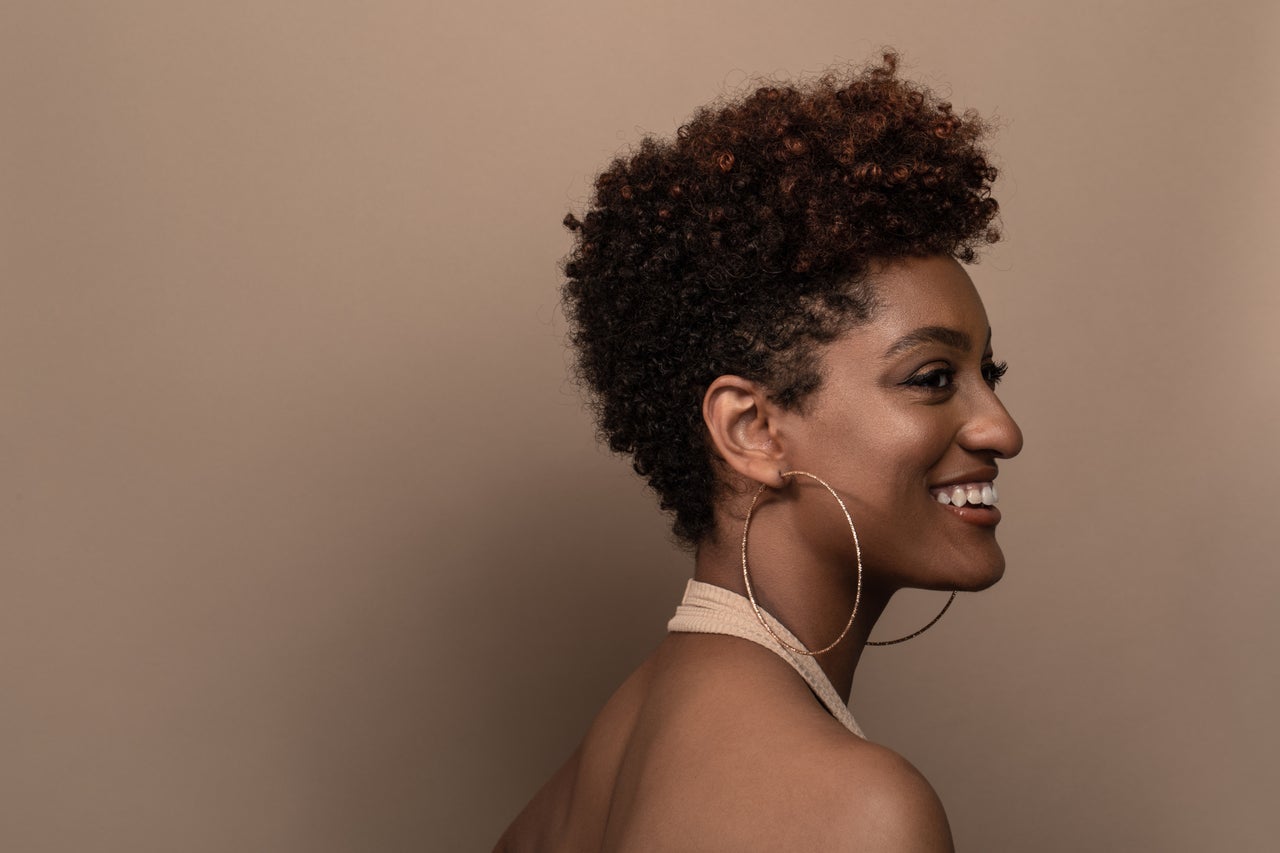
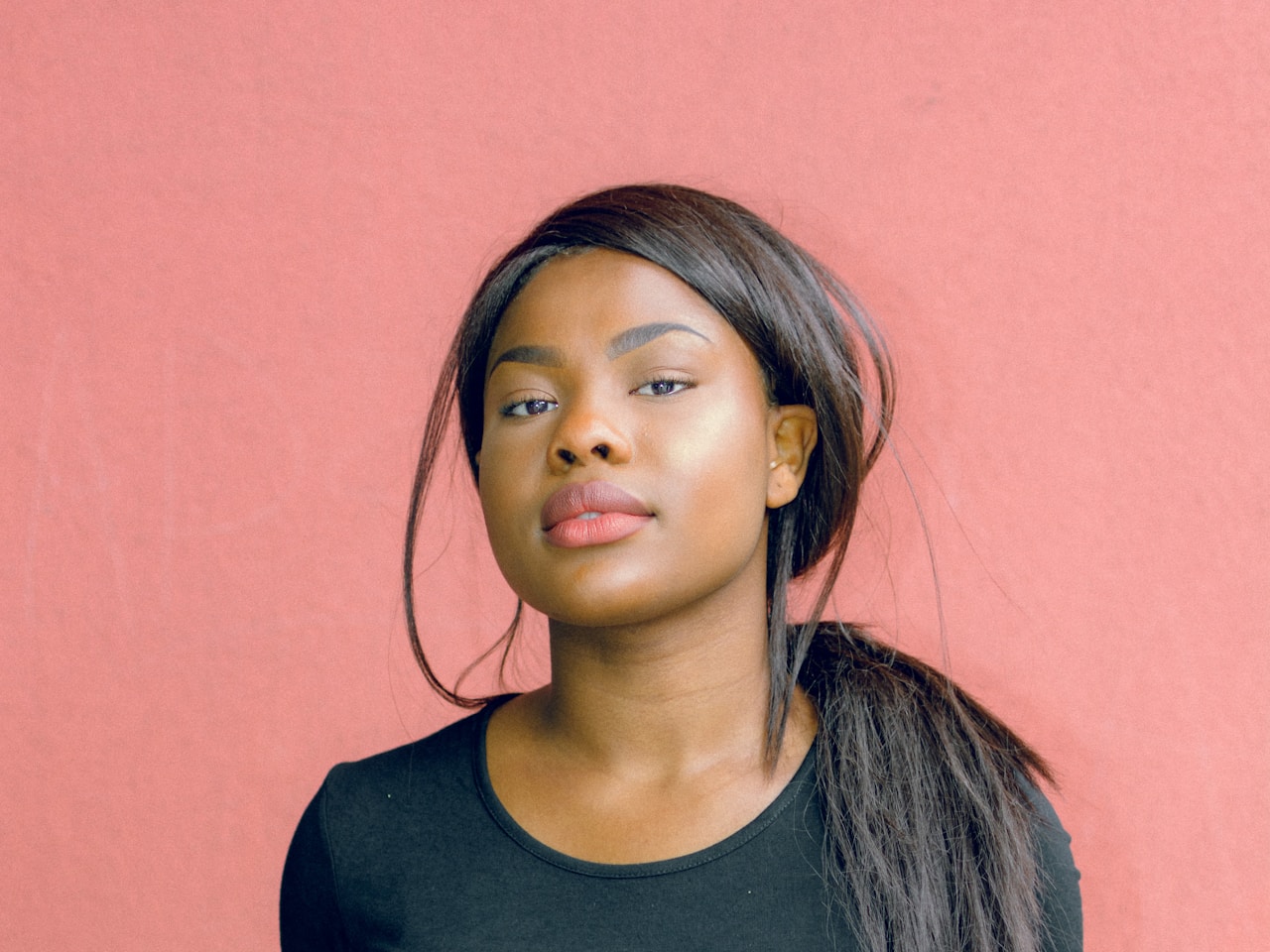
A Movement of Self-Determination
The natural hair movement — the collective decision by individuals with textured hair to stop chemically altering their natural texture and to embrace their hair as it grows — is one of the most significant cultural movements of the twenty-first century. It is simultaneously personal (each individual’s choice about their own body), cultural (a collective reclamation of identity), political (a challenge to Eurocentric beauty standards), and economic (a reshaping of a multi-billion-dollar industry).
For CROWN’s mission, the natural hair movement provides both context and urgency. The movement has created the consciousness; CROWN’s work provides the infrastructure — research, data, technology, and evidence — that transforms consciousness into systemic change.
Historical Roots
The natural hair movement has deep historical antecedents:
The 1960s and 1970s. The Black Power movement embraced the Afro as a symbol of racial pride, resistance, and self-determination. Angela Davis, Kathleen Cleaver, and others made natural hair a visible political statement. The slogan “Black is Beautiful” explicitly challenged Eurocentric beauty hierarchies.
The 1980s and 1990s. Following the political movements of the 1960s–70s, chemical relaxers and straightening treatments became more widely used. The hair care industry marketed these products heavily to Black women, and the professional culture of the era reinforced straight hair as the standard. Natural hair became less visible in mainstream spaces.
The late 2000s and 2010s. The contemporary natural hair movement emerged, driven by several factors: the rise of social media (YouTube, Instagram, and blogs created spaces for sharing natural hair care knowledge), growing awareness of the health risks of chemical treatments, and a generational shift in attitudes toward identity and self-expression.
The 2020s. The movement has matured from individual lifestyle choice into organised advocacy. The CROWN Act (24 states by 2026), France’s Serva bill, and the establishment of organisations like CROWN reflect the translation of cultural movement into institutional change.
The Digital Community
Social media transformed the natural hair movement from a series of individual decisions into a visible, connected global community. YouTube tutorials on natural hair care techniques accumulated millions of views. Instagram accounts celebrating natural textures built massive followings. Forums and blogs created spaces for sharing product recommendations, styling techniques, and personal experiences.
This digital community served several critical functions:
Knowledge sharing. For individuals transitioning from chemically treated to natural hair, the practical knowledge gap was significant — how to wash, condition, detangle, style, and maintain textured hair that they had never worn in its natural state. Online communities provided this knowledge freely and abundantly.
Normalisation. Seeing thousands of other individuals with similar hair textures — styled beautifully, worn confidently, celebrated publicly — normalised natural hair for individuals who had grown up believing their texture was a problem to be corrected.
Community building. Hair-focused online spaces became broader communities where experiences with discrimination, identity, and self-acceptance were shared and processed collectively.
Market creation. The natural hair community’s demand for texture-appropriate products created a market that the traditional hair care industry had neglected. Brands serving textured hair — both established companies adapting and new entrants specialising — experienced significant growth.
The European Natural Hair Community
While the natural hair movement began predominantly in the United States, it has established a growing presence in Europe. The European natural hair community connects individuals across France, the UK, the Netherlands, Belgium, Germany, Switzerland, and other countries through events, social media, and community organisations.
The European movement faces distinct challenges: smaller community size in many countries, less availability of texture-appropriate products, weaker institutional support, and — critically — the absence of the legislative framework and research infrastructure that has developed in the United States. CROWN’s research programme and legislative analysis are designed to address these European-specific gaps.
Texturism Within the Movement
The natural hair movement, while transformative, has not been immune to texturism — the within-community hierarchy that privileges looser curl patterns over tighter coils. Critics have noted that social media representation, brand partnerships, and commercial success within the natural hair space have disproportionately featured individuals with Type 3 (curly) hair, while those with Type 4 (coily/kinky) hair receive less visibility.
This dynamic has prompted important conversations within the movement about whose “natural” is being centred and celebrated. Individuals with 4C hair — the tightest coil pattern — have created their own advocacy spaces, insisting that the natural hair movement must include and celebrate the full spectrum of textured hair.
The Movement and Mental Health
Research on the natural hair movement’s impact on mental health reveals a nuanced picture:
Positive effects. “Going natural” — transitioning from chemically treated to natural hair — is associated with positive identity outcomes in multiple studies. Individuals who embrace their natural texture report increased self-esteem, stronger racial identity, and greater authenticity. The act of choosing to wear natural hair, particularly in environments where it is not the norm, can be psychologically empowering.
Transition challenges. The transition itself, however, can be psychologically challenging. Individuals who have worn chemically straightened hair for years may experience anxiety, vulnerability, and negative reactions from family, friends, and colleagues when they first appear with natural hair. Hair satisfaction may initially decrease before improving.
Ongoing discrimination. Embracing natural hair does not shield individuals from ongoing discrimination. Individuals who have gone natural still face workplace bias, microaggressions, and institutional barriers — and the discrepancy between their personal empowerment and external discrimination can be particularly distressing.
CROWN’s 360° Protocol recognises these complexities. Therapeutic intervention for identity-based appearance discrimination must support individuals wherever they are in their hair journey — whether transitioning, maintaining natural hair in hostile environments, or processing the accumulated impact of years of conformity.
From Movement to Infrastructure
The natural hair movement has accomplished something essential: it has made visible a problem that was previously hidden behind individual “choices” to straighten hair. By making natural hair visible, the movement exposed the discrimination that makes straightening seem necessary — discrimination in workplaces, schools, hiring, and social settings.
CROWN’s work builds on this visibility by providing the infrastructure that transforms cultural movement into systemic change:
- Data that quantifies what the movement makes visible — through the CROWN Discrimination Index
- Evidence that converts experiences into statistics — through the CROWN Hair Commons
- Technology that replaces subjective perception with objective measurement — through the CROWN Diagnostic
- Analysis that supports legislative action — through our legislative hub
- Care that addresses the psychological cost — through the 360° Protocol
The natural hair movement created the conditions for change. CROWN is building the infrastructure to deliver it.